Asbestos Discovery Shuts Down Barbican Estate Renovation Project Indefinitely
A major renovation project at the iconic Barbican Estate in the City of London has been shut down indefinitely after contractors discovered significant quantities of asbestos-containing materials during routine demolition work.

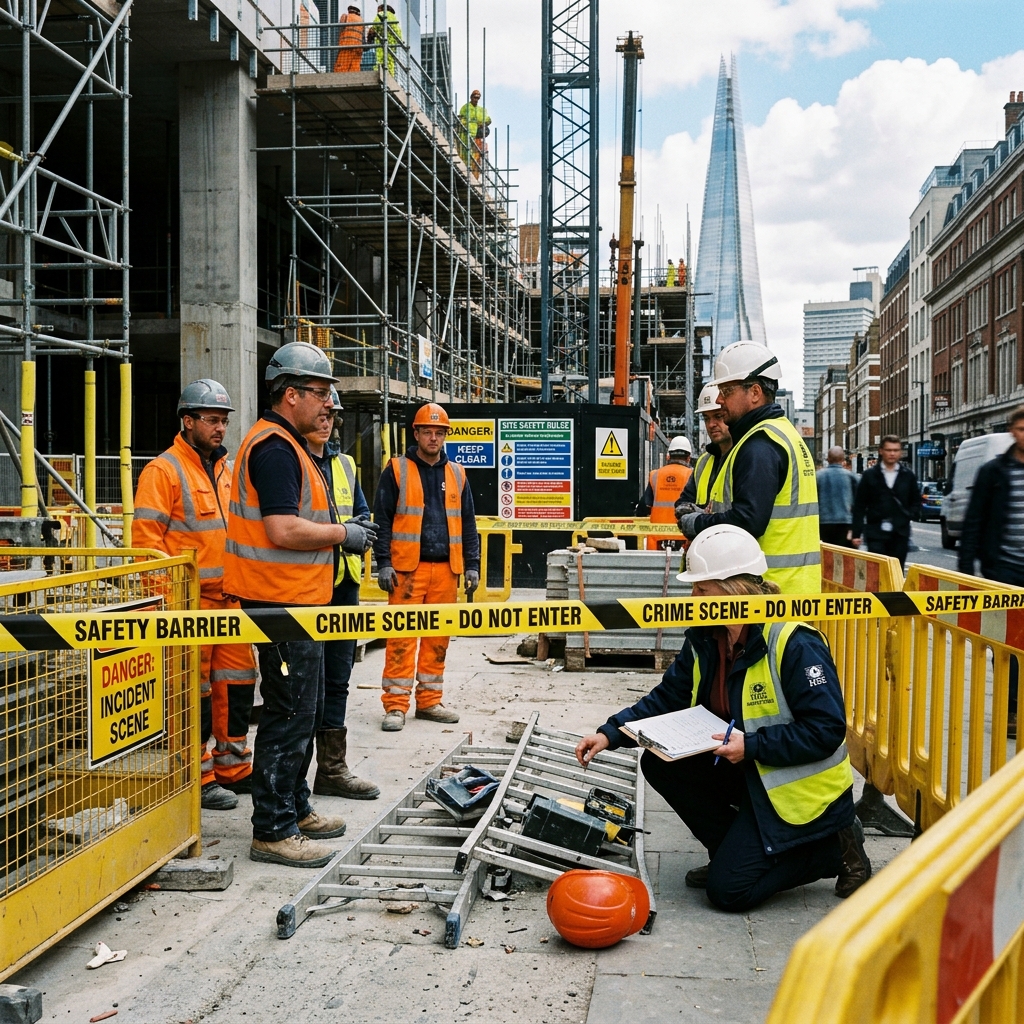
A major renovation project at the iconic Barbican Estate in the City of London has been shut down indefinitely after contractors discovered significant quantities of asbestos-containing materials during routine demolition work. The discovery, made last Tuesday in ceiling panels and pipe lagging within the Grade II-listed Cromwell Tower, has forced the evacuation of 47 residential units and raised serious concerns about historic asbestos management across London's brutalist housing estates.
Discovery and Immediate Response
Workers from the appointed contractor, Sterling Building Services, were removing ceiling tiles on the 28th floor of Cromwell Tower when they identified suspected asbestos insulation board. Work was halted immediately and specialist surveyors from an independent laboratory confirmed the presence of amosite (brown asbestos) and chrysotile (white asbestos) in multiple locations throughout the building's service ducting and ceiling voids.
"The asbestos was in a disturbed condition, meaning fibres may have been released into the air during the initial demolition work," said Dr Helena Vasquez, a chartered environmental health consultant brought in to assess the contamination. "Air monitoring stations have been set up throughout the affected floors and we are conducting personal exposure assessments for all workers and residents who may have been present during the disturbance."
Residents Express Anger and Fear
Residents of the affected units have been temporarily rehoused by the City of London Corporation, which manages the Barbican Estate, but many have expressed fury at what they describe as a failure of due diligence. Long-term resident Professor Richard Alderton, 72, who has lived in Cromwell Tower for 31 years, said: "We were assured before this renovation began that comprehensive asbestos surveys had been carried out. How is it possible that significant asbestos was missed? Some of us have been living with our windows open during the building work. We need honest answers about what we've been exposed to."
City of London Corporation Responds
A spokesperson for the City of London Corporation said: "The safety of our residents and workers is paramount. Upon discovery of the asbestos, we immediately activated our emergency protocols, halted all work, and arranged alternative accommodation for affected residents. A Type 3 asbestos survey — the most comprehensive available — is now being conducted across the entire Cromwell Tower, and we will extend this to Lauderdale and Shakespeare Towers as a precautionary measure."
The Health and Safety Executive has been notified and is monitoring the situation. Under the Control of Asbestos Regulations 2012, the dutyholder has a legal obligation to identify and manage asbestos in non-domestic premises before any refurbishment work begins.
Wider Implications for London's Housing Stock
The discovery has implications far beyond the Barbican. Built between 1965 and 1976, the estate's construction coincided with peak asbestos use in British buildings. Housing campaigners warn that similar risks exist across thousands of council and housing association properties built during the same era. The cost of the Barbican remediation alone is expected to run into millions of pounds, with the renovation project timeline now pushed back by at least 18 months.

MCP User
Covering accidents, safety incidents, and transport disruptions across Greater London.