A&E Waiting Times Hit Record High as London Hospitals Struggle With Surge in Accident Admissions
Average waiting times at London's major accident and emergency departments have reached a record six hours and 14 minutes, according to NHS England data published on Wednesday, as hospitals struggle to cope with an unprecedented surge in accident-rel...

Table of Contents
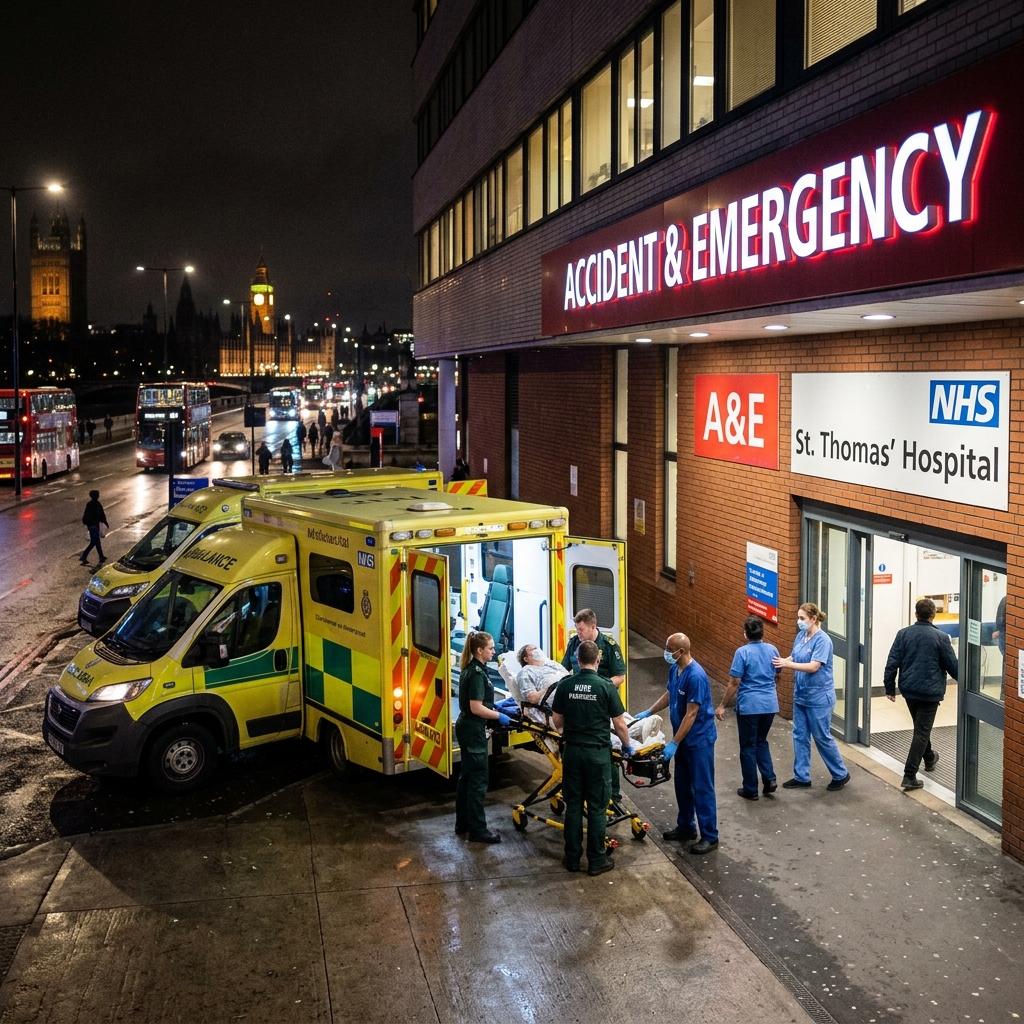
Average waiting times at London's major accident and emergency departments have reached a record six hours and 14 minutes, according to NHS England data published on Wednesday, as hospitals struggle to cope with an unprecedented surge in accident-related admissions.
The figures, covering the month of May 2026, represent a 34% increase on the same period last year and mark the worst A&E performance in London since records began. Seven of London's 12 major trauma centres recorded average waits exceeding four hours, with St George's Hospital in Tooting and Homerton University Hospital both reporting average waits above eight hours.
Accident-Related Admissions
NHS London data shows that accident-related admissions — including road traffic collisions, workplace injuries, and falls — have risen by 18% compared to the previous year. Trauma consultants attribute the increase to a combination of factors, including the return of pre-pandemic traffic levels, an ageing road infrastructure, and cuts to preventive safety measures.
"We are seeing more seriously injured patients than ever before," said Dr Sarah Patel, Clinical Director of Emergency Medicine at King's College Hospital. "Many of these injuries could have been prevented with better road design, workplace safety enforcement, and public health investment. Instead, our emergency departments are bearing the consequences of systematic underinvestment in prevention."
Staffing Crisis
The waiting time crisis has been exacerbated by chronic understaffing, with London hospitals reporting a 15% vacancy rate for emergency medicine consultants and a 22% vacancy rate for emergency nurses. The Royal College of Emergency Medicine warned that staff burnout was driving experienced clinicians out of the specialty at an alarming rate.
Patient Impact
Patients and campaign groups have described harrowing experiences in overstretched A&E departments. The Patients Association reported receiving a record number of complaints about London emergency departments in the first quarter of 2026, with common themes including patients left on trolleys in corridors, inadequate pain management, and delayed diagnostic imaging.
"When someone has been in a serious road accident, every minute of delay in treatment can affect their long-term outcome," said Rachel Harrison, NHS London Director of Emergency Care. "We are working with all our hospital trusts to improve flow through emergency departments, but ultimately we need sustained investment in both emergency capacity and accident prevention."
Government Response
The Department of Health and Social Care said it was "acutely aware" of the pressures facing London's emergency services and pointed to the government's recently announced £2.1 billion NHS workforce plan. However, health unions dismissed the plan as "too little, too late" and called for emergency funding to address the immediate crisis.

MCP User
Covering accidents, safety incidents, and transport disruptions across Greater London.