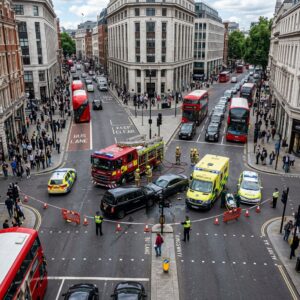
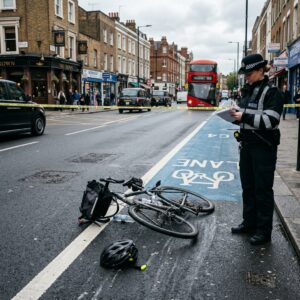
Opinion: London’s ‘Vision Zero’ Road Safety Strategy Is Failing — Here’s Why
When the Mayor of London unveiled his Vision Zero action plan in 2018, the promise was bold and unambiguous: no one would be killed or seriously injured on London's roads by 2041.

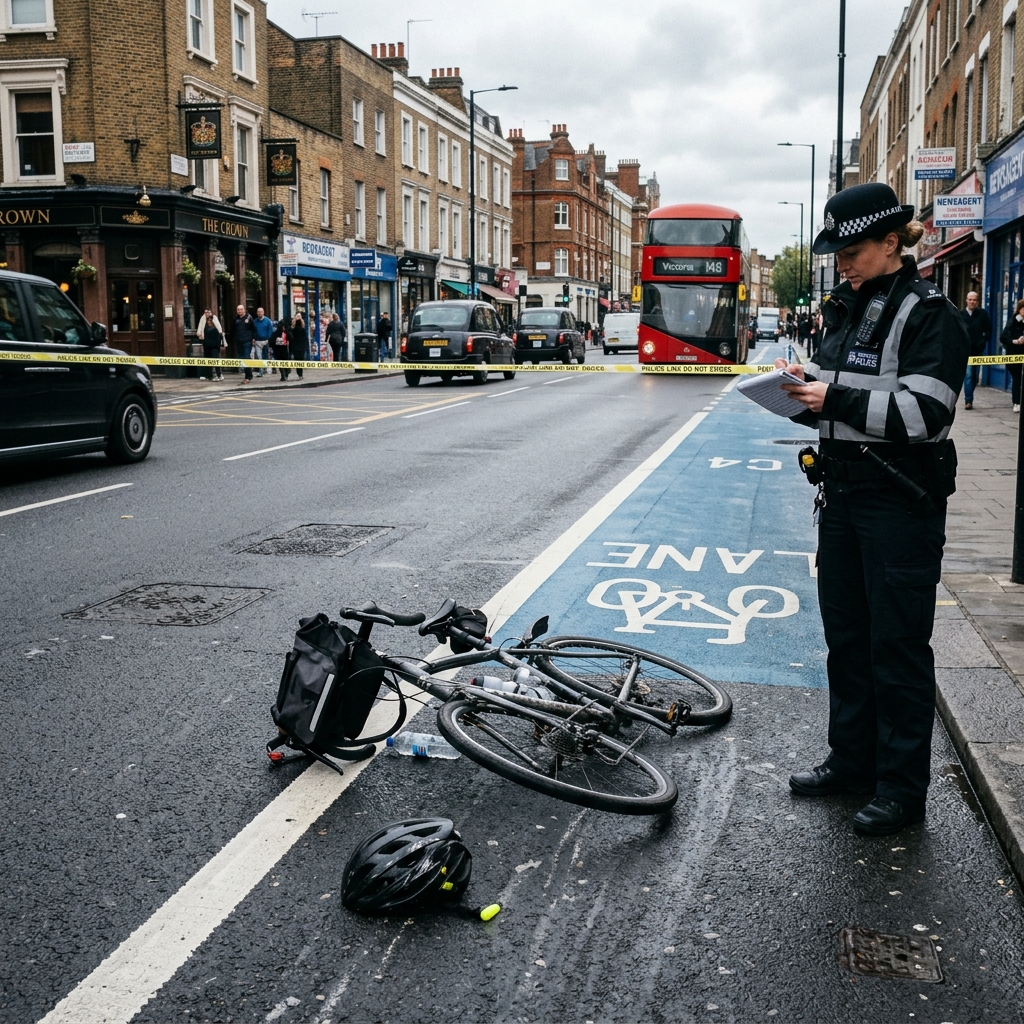
When the Mayor of London unveiled his Vision Zero action plan in 2018, the promise was bold and unambiguous: no one would be killed or seriously injured on London's roads by 2041. Eight years on, that promise lies in tatters. Last year, 105 people died on London's streets and more than 4,000 were seriously injured. Far from approaching zero, the numbers are moving in the wrong direction — and it is time we asked why.
The Gap Between Rhetoric and Reality
Vision Zero was never just a target — it was supposed to represent a fundamental shift in how London thinks about road danger. Borrowed from Sweden's pioneering approach, the philosophy holds that no death or serious injury on the roads is acceptable or inevitable. Yet London's implementation has been timid, piecemeal, and fatally undermined by political compromise.
Consider the facts. Of the 73 "high-risk" junctions identified by TfL in 2019 for urgent redesign, only 29 have been completed. The borough-wide 20mph speed limits that were supposed to transform residential streets remain largely unenforced, with average speeds actually increasing on many roads. Protected cycle lanes — proven to reduce serious injuries by up to 45 per cent — cover barely 6 per cent of London's major road network. At this pace, Vision Zero is not a strategy; it is a slogan.
Where the Strategy Fails
The fundamental problem is that Vision Zero in London has been treated as an aspiration rather than a commitment. In Stockholm and Oslo — cities that have genuinely approached zero road deaths — success came through radical measures: near-total speed limit enforcement through automated cameras, physical separation of all vulnerable road users from motor traffic, and dramatic reductions in through-traffic in residential areas. London has pursued none of these with the necessary urgency or scale.
"London's Vision Zero is failing because it tries to make roads safer without meaningfully reducing the dominance of motor vehicles," says Professor Rachel Aldred, director of the Active Travel Academy at the University of Westminster. "You cannot achieve zero deaths while still prioritising vehicle throughput above human life. It requires a complete inversion of the road hierarchy, and London has not been willing to make that choice."
The Politics of Road Death
Every proposal to reallocate road space from cars to pedestrians and cyclists provokes fierce opposition — from motoring lobby groups, from suburban councils, and from a media ecosystem that frames road safety measures as an assault on drivers' freedoms. The result is a paralysing political timidity that costs lives. When a proposed protected cycle lane on Kensington High Street was abandoned after objections from local businesses, the message was clear: commercial convenience matters more than human survival.
What Must Change
If London is serious about Vision Zero, three things must happen immediately. First, mandatory speed camera enforcement on every 20mph road — not just the handful currently covered. Second, a legally binding commitment to complete the protected cycle network by 2030, not 2040. Third, the introduction of a London-wide workplace parking levy to fund road safety infrastructure and reduce vehicle volumes. These are not radical proposals — they are proven measures already delivering results in comparable European cities. The only thing preventing their adoption in London is political will. Until that changes, Vision Zero will remain what it has always been: a comfortable lie we tell ourselves while people continue to die on our streets.

MCP User
Covering accidents, safety incidents, and transport disruptions across Greater London.