Opinion: Why Construction Workers’ Lives Are Still Treated as Expendable in 2026
Another month, another construction worker killed on a London building site.

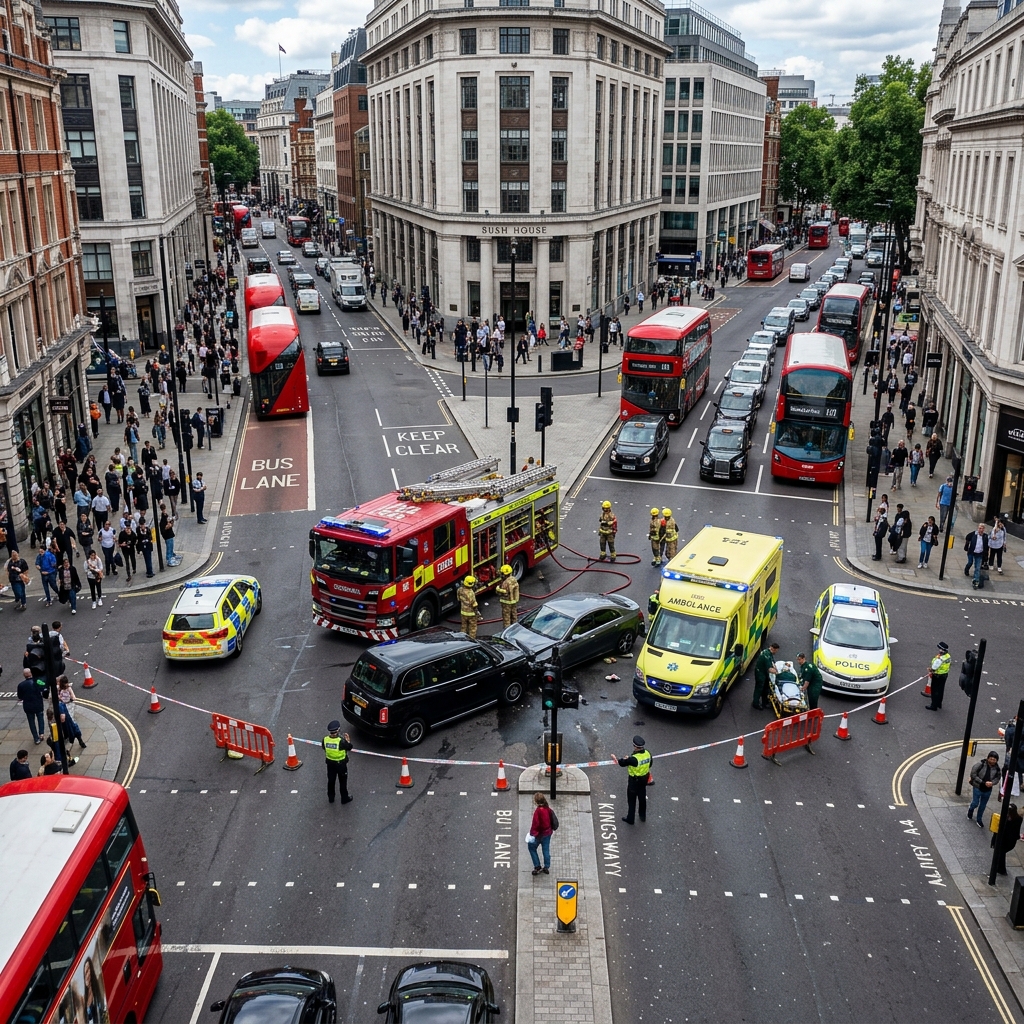
Another month, another construction worker killed on a London building site. Another press release expressing "deep sorrow." Another investigation that will take years to conclude and result in a fine so small that developers will treat it as a cost of doing business. The pattern is as predictable as it is obscene — and it should enrage every one of us. In 2026, construction remains Britain's deadliest industry, and London's building boom is being built, quite literally, on the broken bodies of its workers.
A Culture of Acceptable Loss
The statistics are damning. Seventeen construction workers have died on London building sites in the past three years. Hundreds more have suffered life-changing injuries from falls, crush injuries, and structural collapses. The Health and Safety Executive prosecuted just 23 companies for construction safety offences in London over the same period, with an average fine of £142,000 — a rounding error for developers generating revenues of hundreds of millions of pounds.
This is not a problem of inadequate regulation. The Construction (Design and Management) Regulations 2015 are comprehensive. The Work at Height Regulations 2005 are clear. The Provision and Use of Work Equipment Regulations 1998 leave little room for ambiguity. The problem is enforcement — or rather, the catastrophic lack of it. The HSE has lost 40 per cent of its inspectors since 2010, and the average London construction site can now expect a proactive inspection approximately once every 14 years. Let that figure sink in.
Who Pays the Price
The workers who die and are maimed on London's building sites are disproportionately migrant workers from Eastern Europe, South Asia, and West Africa. They are the most vulnerable members of the workforce — often employed through chains of subcontractors, frequently on precarious contracts, and sometimes without adequate language skills to understand safety briefings delivered in English. The exploitation is structural and systemic.
I have spoken to scaffolders who were sent to work at height without harnesses because "there weren't enough to go round." I have spoken to labourers who were told they would be dismissed if they reported safety concerns. I have spoken to widows who received less in compensation for their husband's death than the developer spent on marketing the luxury apartments their husband died building. The imbalance of power is grotesque.
The Developer Accountability Gap
Here lies the fundamental injustice: when a worker dies, it is almost always the immediate employer — typically a small subcontractor — that faces prosecution, not the principal developer who controls the budget, sets the timeline, and creates the commercial pressures that drive corners to be cut. Until we introduce a legal framework that holds developers criminally accountable for deaths on their projects — regardless of how many layers of subcontracting separate them from the victim — nothing will change.
What I Am Calling For
Three reforms could transform construction safety in London overnight. First, mandatory safety passports for all workers on major developments, funded by developers, not workers. Second, a tenfold increase in HSE fines for fatalities, with a minimum penalty of £2 million for any death involving a failure of basic safety measures. Third, a legal duty on principal contractors to ensure the safety of every person working on their site, with criminal liability for directors where failings are systemic. Construction workers are not expendable. Their lives are not an acceptable cost of London's property boom. It is long past time we acted accordingly.

MCP User
Covering accidents, safety incidents, and transport disruptions across Greater London.